
Guest Story: Michael Boxall tells us about his hedge in February
Thursday, 19 February 2026
I would like to introduce you to my hedge, which was planted about twenty years ago by a previous owner of the land.
It is a mixture of:
hawthorn,
blackthorn,
hazel, and
dog rose.
Some parts have grown much better than others, which must be a result of variations in nutrient availability in the soil along its length because its five hundred or so yards were all planted at the same time.
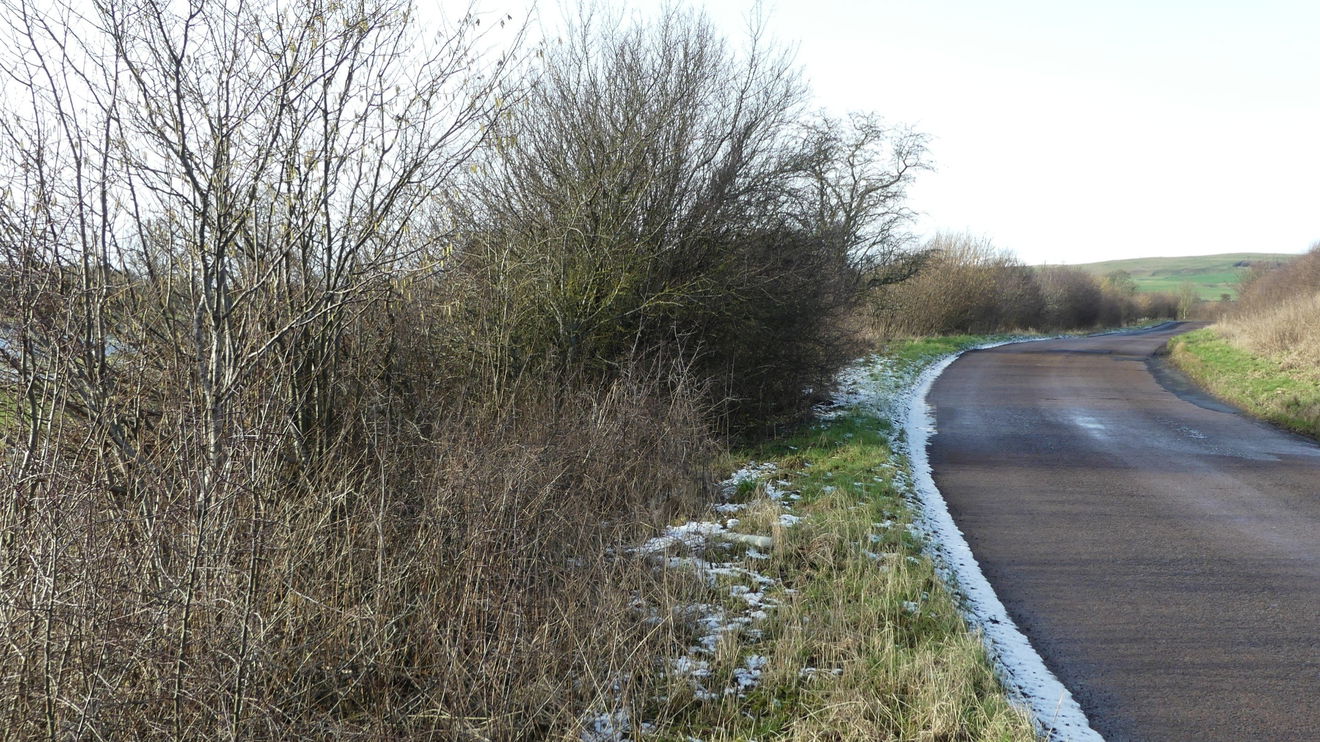
Michael's Hedge
Those who lay, or those who mechanically flail hedges, may well throw up their hands in horror because it is now a very scruffy one! But there is no intention of making it look nice to please the eyes of those who pass by along the road. Wildlife doesn't judge by appearance, but rather by how many of life's necessities it is able to supply. Insects, small mammals, and birds, require shelter, food and nest sites. It is them I want to support.
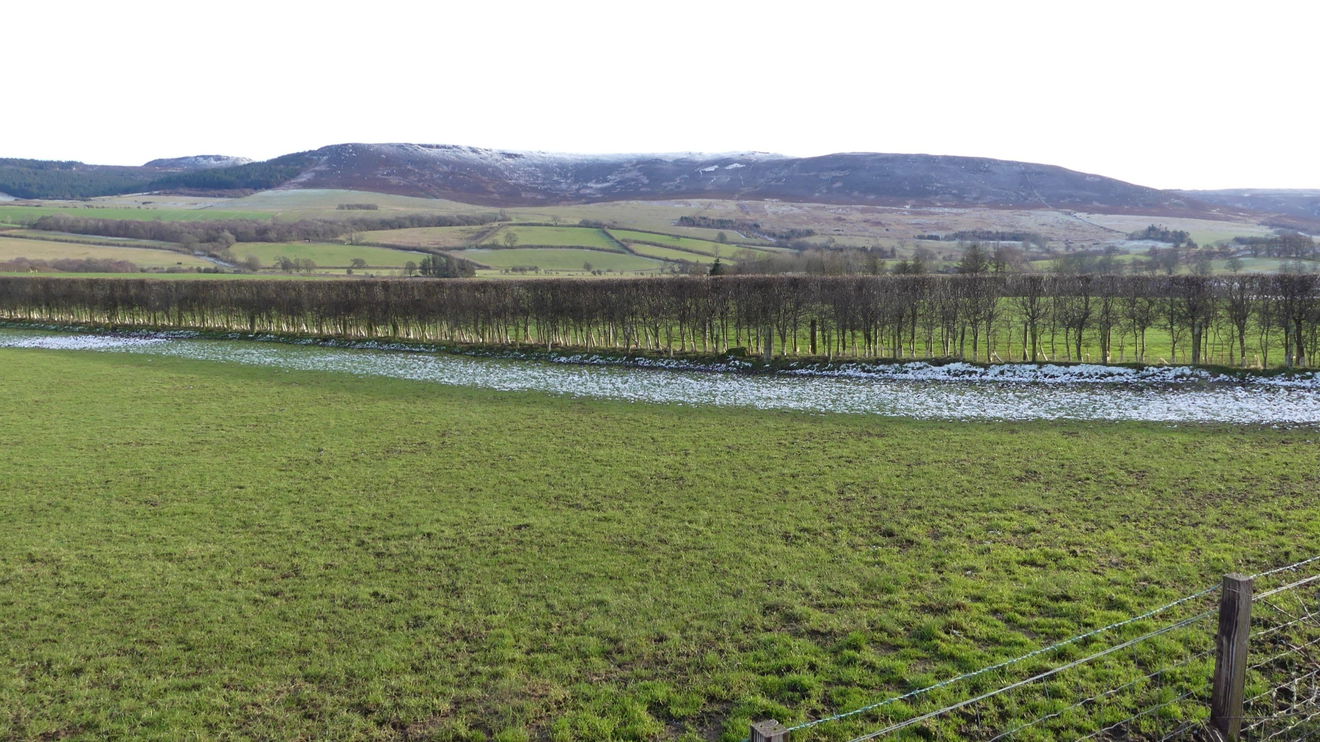
A regularly flailed hedge
While they may look neat and well cared for, skinny, annually flailed hedges can supply very little of any: they can bear no fruit and offer minimal shelter, to birds or stock.
My hedge by contrast varies greatly in width, height and permeability to wind; I am laying sections in a more or less traditional manner, but not sequentially, and the laid bushes are not held in place with hazel rods as they would be in a conventionally laid one, or trimmed to neatness after cutting. Rather, they are tied to each other with bio-degradable twine to 'set' - a process always resulting in scratched hands because it is very difficult to tie knots wearing leather gloves - and remain able to produce some blossom and berries as they regrow.
Natural variations in rate of growth combined with irregular laid sections and untouched parts create a wide variety along its length - and many micro-climates. Recently laid sections provide dense, low cover; there are always some sheltered spots for insects to fly in no matter which direction the wind blows, and taller song perches, from where birds proclaim their territories in spring.
I don't begin working on it until all the fruit has been stripped and the bushes are bare: blackbirds, field mice, voles and the autumnal influx of redwing and fieldfares all eat them. The little mammals also taking hazel nuts and leaving the opened shells as evidence of their feasting on the ground beneath the bushes where they dined, safe from passing birds of prey - but not stoats or weasels.
At present, in February, the bushes are still dormant, but on some buds are showing the first signs of awakening.
It is possible to lay after the leaves flush, but should ideally be done before they do. As I'm not working sequentially along the hedge it doesn't matter if I miss a year, or only manage a few feet; regularity is not the aim.
In common with most hedge planting, plastic shelters were used to protect the young plants from rabbit nibbling, but they unfortunately degrade extremely slowly, if at all. They also prevent the growth of low branches, which means the hedge bottom is very draughty, particularly in winter when grass and other plants have died back.
I haven't attempted to remove all of the guards; there are thousands. I do take them away from each section I lay and also collect those blown off by strong winds: they no longer serve any useful purpose, though I have found snails and other invertebrates sheltering in some and mosses are beginning to grow on them.
Hedge layers are skilled craftsmen and women and justifiably proud of their work. I also admire a well laid hedge, though can claim little ability to produce a classic example and as my intention is to create as much variety as possible, rough and ready is good enough.
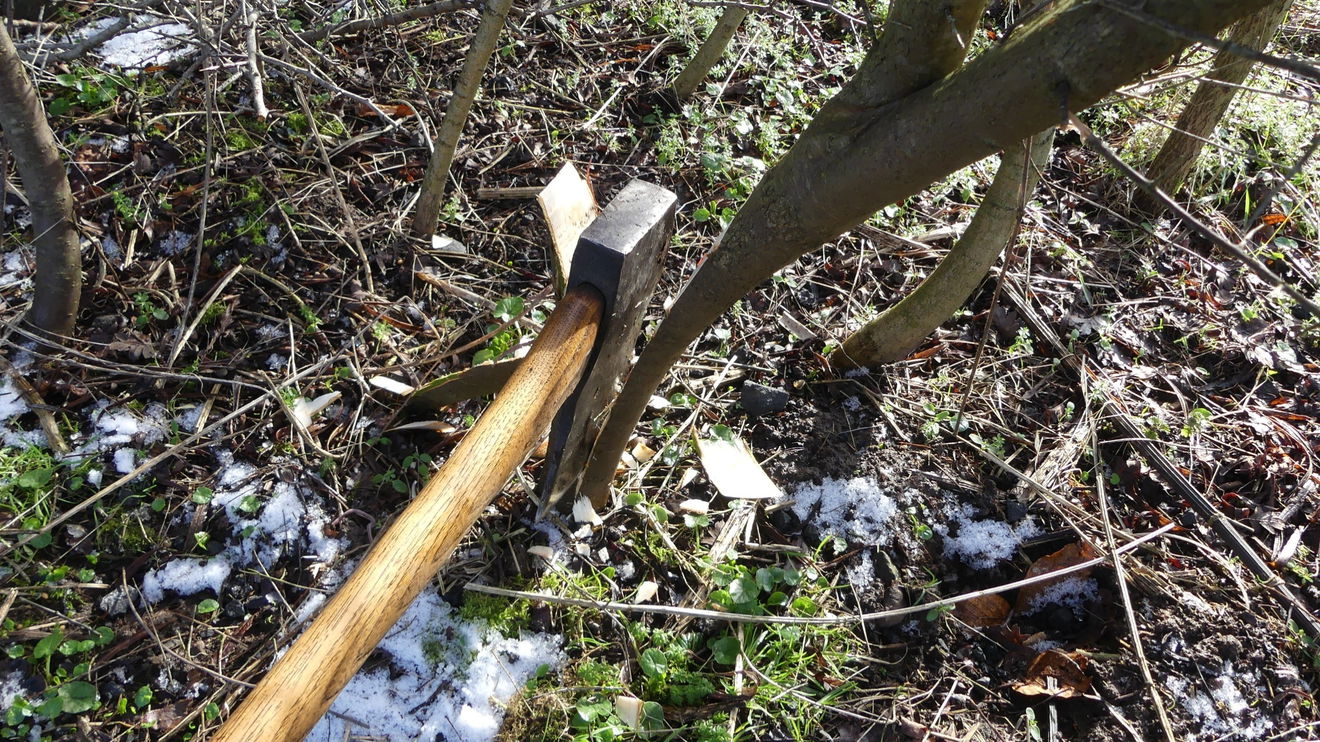
Splitting a stem.
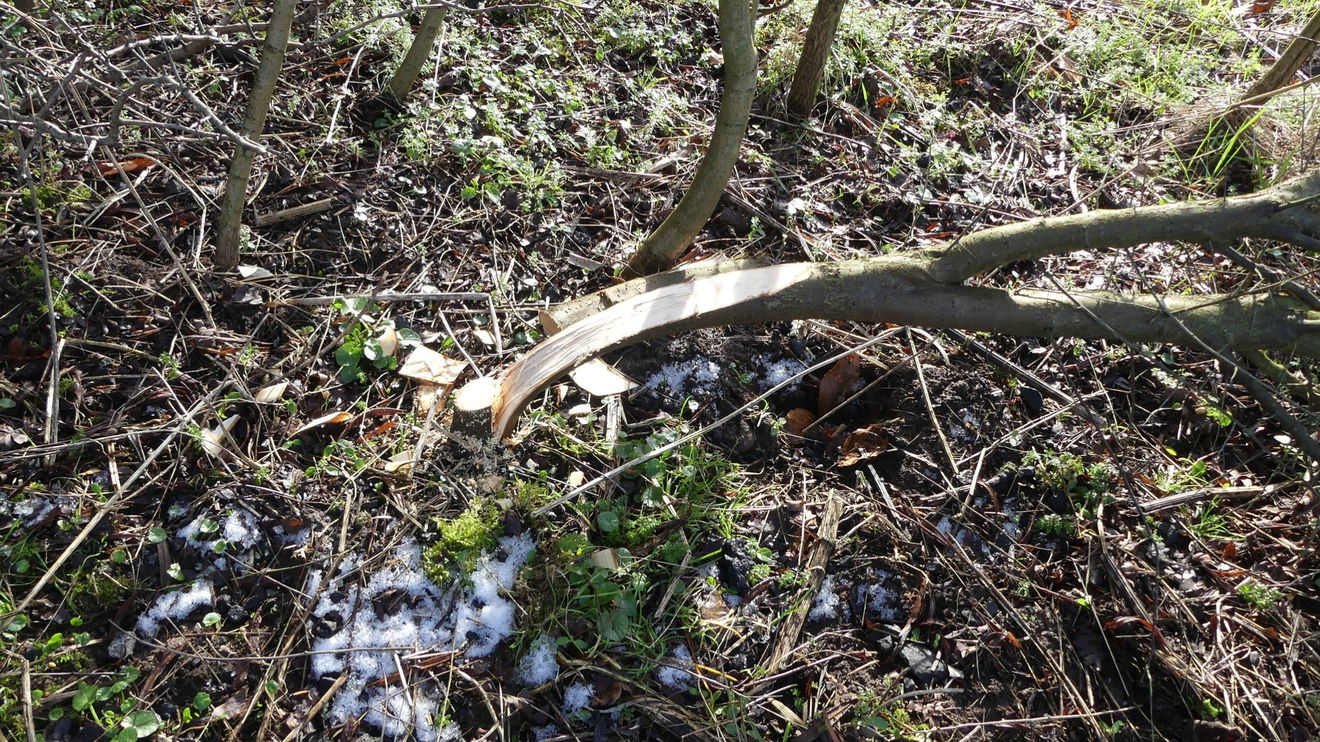
A laid stem.
I use an axe, handbill, or chainsaw to split the stems, depending on their thickness, leaving part uncut so the bushes can be pulled over and are able to continue growing. Some have such dense canopies they cannot be successfully laid and these I cut off completely, coppicing them and new growth develops from the stumps.
The cuts are angled steeply downward to ensure the uncut parts don't break, but bend easily, and their bark remains firmly attached: if the wood does splinter, or the bark lifts, the bush will almost certainly die.
The sharp stubs remaining are sawn off for safety and new growth springs from the stumps in the same way it does from the coppiced ones, adding further bulk to the hedge.
It is not a task which can be hurried, and is both sad, and unfortunately, almost inevitable, to find litter blown in among the bushes by the wind, or deliberately thrown there by those too lazy to dispose of their cans and sweet wrappings properly: they can have little regard for the countryside they live in or pass through.
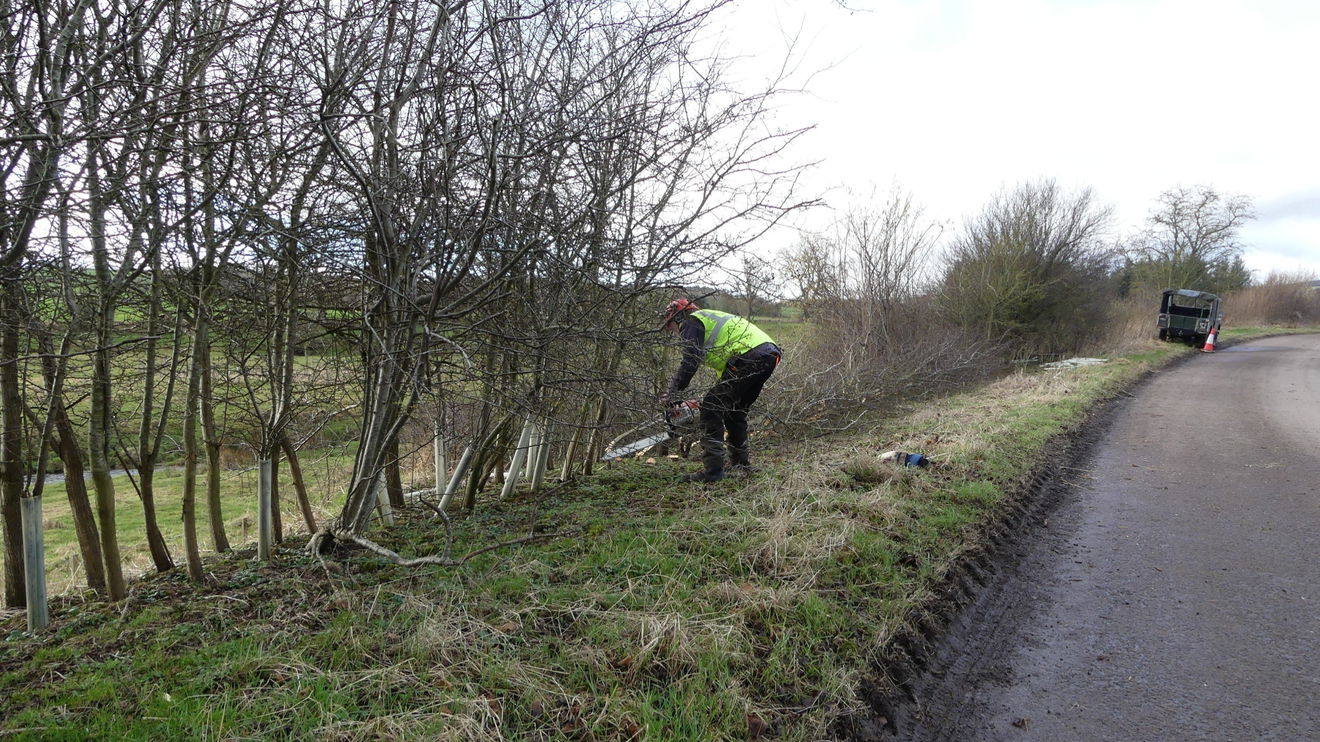
Using a chainsaw to split the stouter stems.
It is satisfying to look along a laid section and picture in my mind's eye how it will appear after a year or two of regrowth. Grasses and other plants will have pushed up or scrambled through it and held there help to produce sheltered, humid conditions suitable for snails and many invertebrates such as woodlice, for whom dessication is life threatening. These unwittingly form a readily available food supply for foraging birds and small mammals: song thrushes in particular love snails.
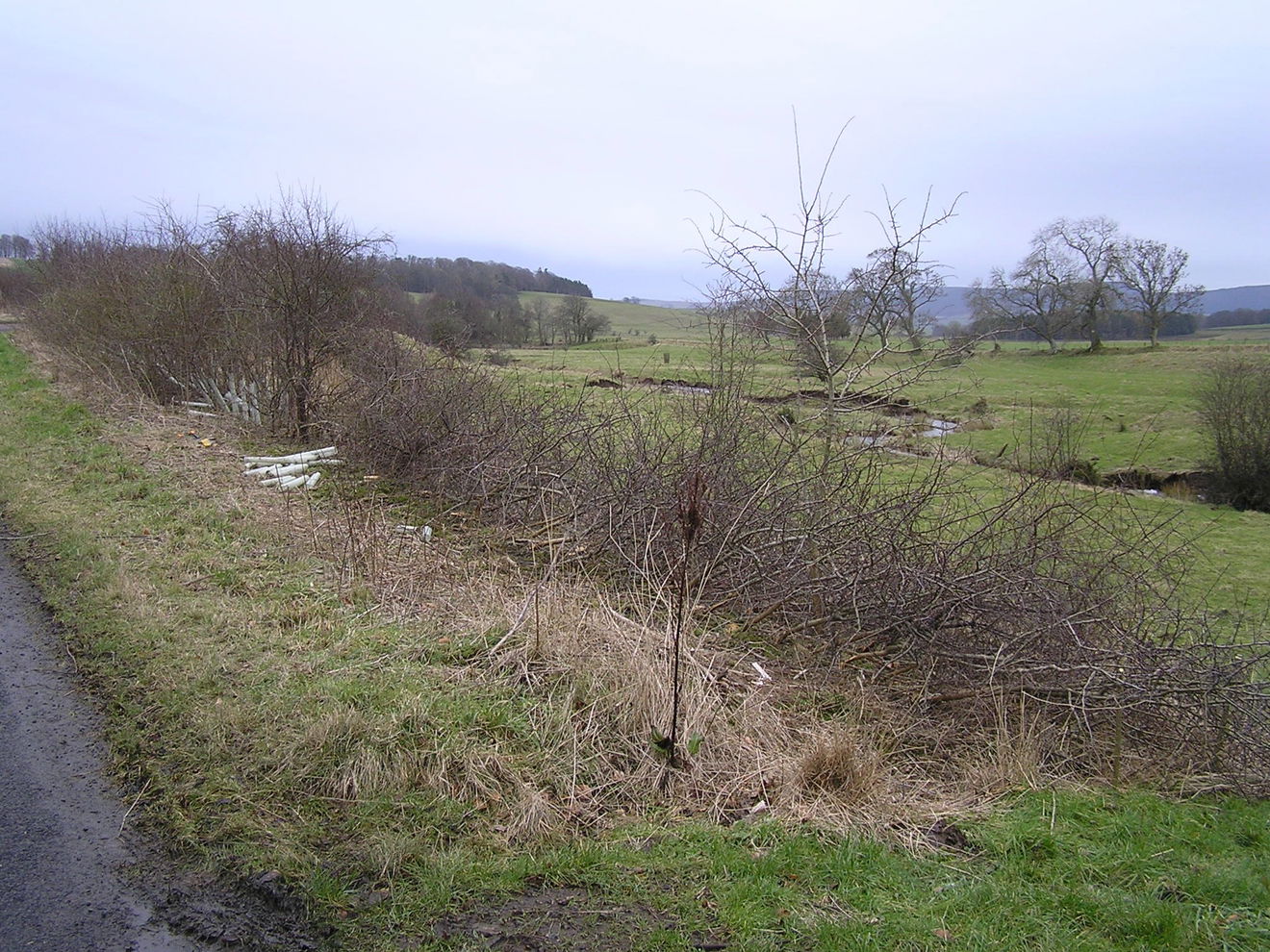
A freshly laid section.
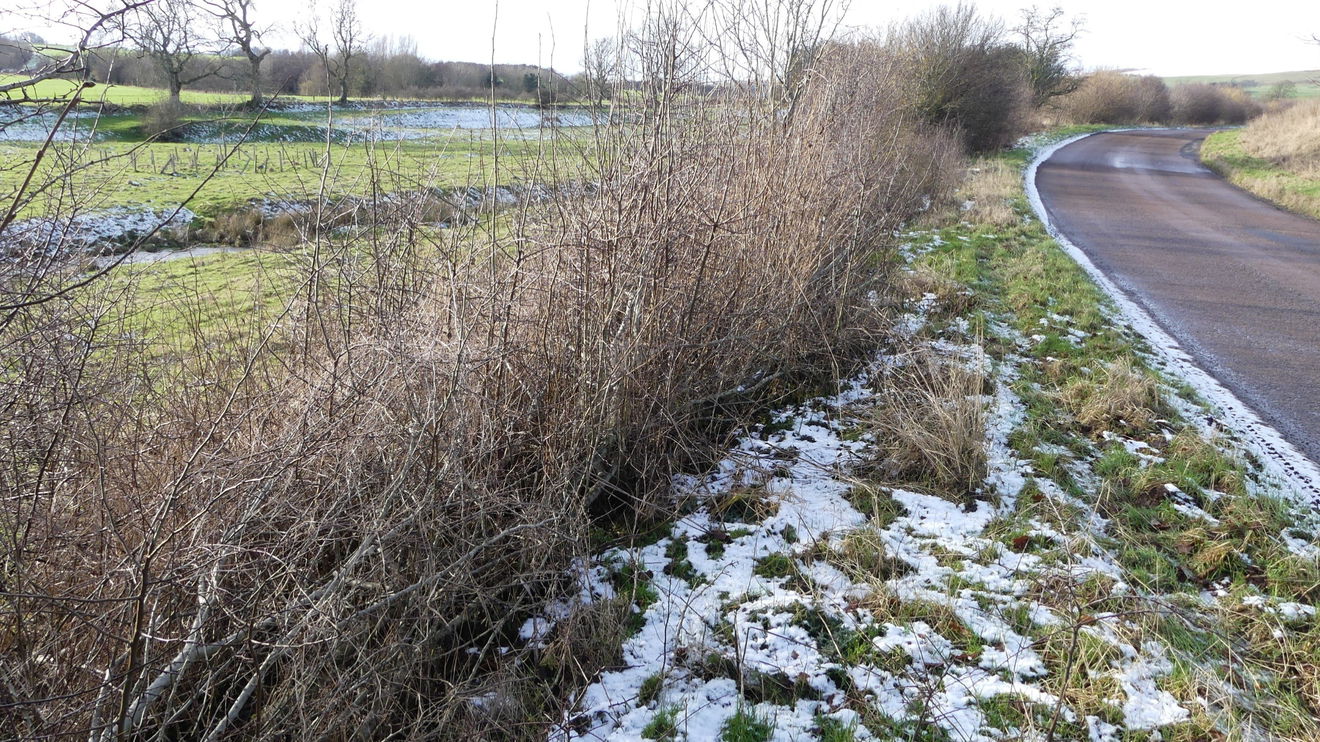
Dense low regrowth after two years.
It is encouraging that environmental schemes now consider hedge planting and restoration with wildlife in mind: this is long overdue.
There are countless miles of relict, gappy lines of thorns around the country, hedges confined within fences with no room to spread and many farmers persist in autumn flailing, destroying any fruit their hedges may bear before the birds can benefit from them, which is a great shame.
I hope the changed emphasis will be hugely beneficial and long term: so many well-intentioned schemes involving subsidies have come and gone after only a few years, reducing their potential effectiveness.
By itself my hedge can make no more than a microscopic contribution towards turning the countryside into a more welcoming and hospitable place for wildlife than much of it presently is, but seeing how many birds frequent it, how many insects fly along it and how much life there is within it tells me my contribution is a positive one.
Over the coming months I will show you how it changes through the seasons and some of the wildlife it helps support.
Michael Boxall, February 2026